A ride-hailing business founder usually thinks more about the rider interface design and development when they are preparing to launch an Uber clone app. They don’t take the driver management section in the app that seriously.
If the app takes in unreliable or unverified drivers, less customers will book the ride again due to bad experience, many abandoning the service effectively. Therefore, having a secure environment in place before the first ride of your newly launched business demands great attention and understanding.
Buying a ready-made taxi app helps startup founders enter the market way quickly (mostly in a few weeks). But, entering the market that quickly needs a solid structure as rapid deployment scales higher and higher for handing driver details.
Transparently processing the drivers decides if a local ride-hailing business has the formula to succeed or not.
Managing Driver Credentials in Your Uber Clone Script
App development agencies love to pitch that modern ride-hailing software runs your entire fleet on autopilot. When a business owner buys a white-label solution, they usually expect the AI features to magically handle every little operational headache without them lifting a finger.
Since a lot of experienced vendors bundle cool stuff like smart dispatching and AI driver earnings optimizers right into the base code, app admins often fall into the trap of thinking the software will just weed out the bad drivers on its own.
They assume buying a ready-made architecture completely removes the need for human oversight. They think the code will just process the registrations and instantly activate the accounts so drivers can hit the road immediately.
But relying entirely on automated activation totally ignores how a local taxi business actually keeps its platform safe for riders.
What about the Fleet Owners?
If fleet owners ignore the manual admin web panel entirely, they end up exposing their riders to unverified or sketchy drivers, which ruins the customer experience.
To really maintain quality control, a taxi startup has to use the backend modules heavily. This means having specific dispatcher panels and organization web panels set up precisely for keeping things in check.
Fleet managers actually have to sit down and inspect the licenses and background checks the drivers upload. They have to be in the system every day monitoring the active fleet to see what’s actually happening on the ground.
Ultimately, the smartest approach mixes a fast, automated frontend experience with a deliberate, manual backend review. While the driver apps (both Android and iOS) make the initial sign-up super easy and fast, the web console is there to add that necessary friction so you actually get real quality assurance.
Whenever a driver puts in their details, someone on the backend staff needs to check those uploaded files before giving them full access to the app’s premium features. For example, only fully verified drivers should unlock the ability to bid on fares (using something like an InDrive bidding module) or take part in Office Taxi corporate rides.
How to Actually Verify Drivers in Your Clone App
When business owners figure out how they want to review their drivers, they usually just follow the straightforward flow already built into the software.
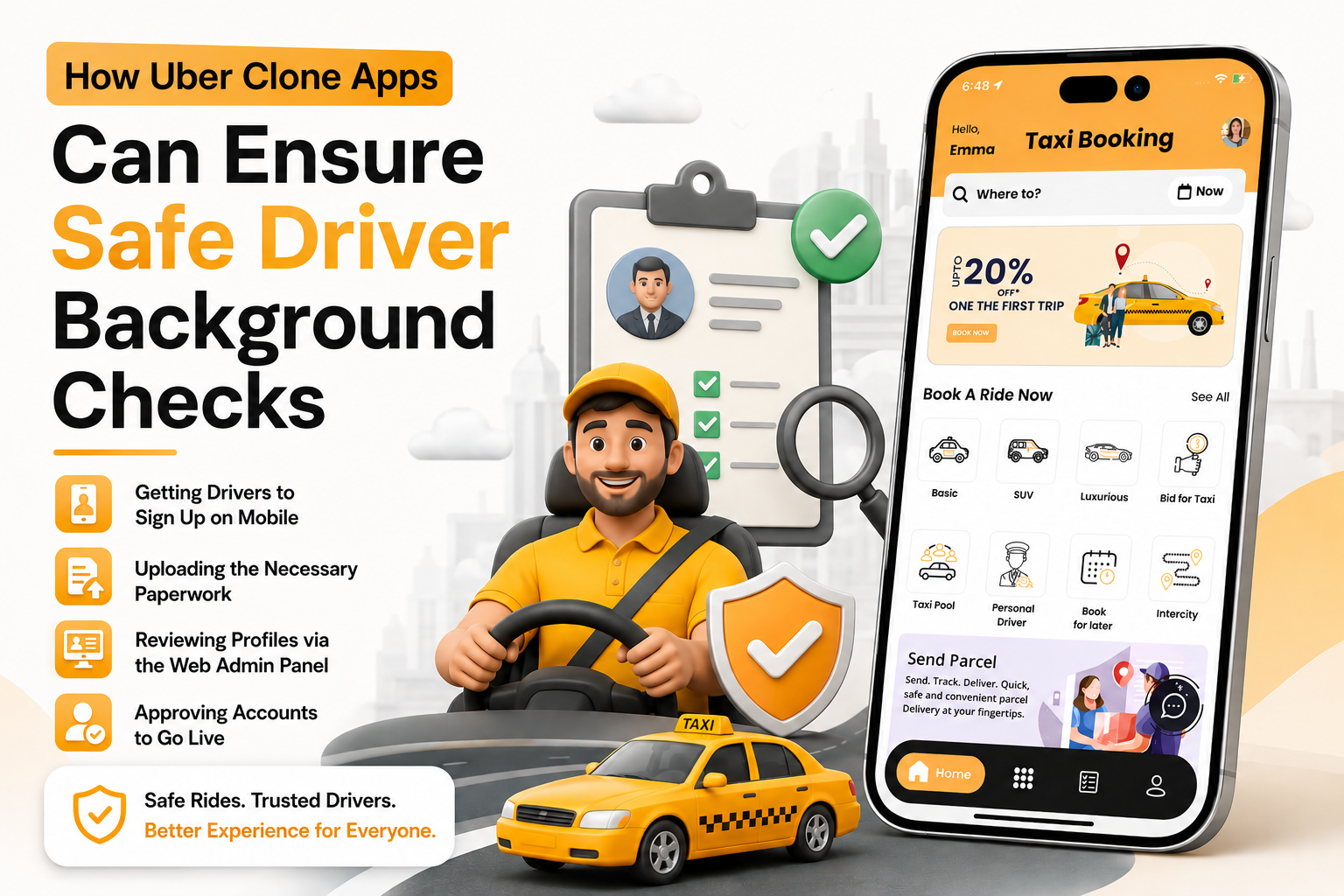
Getting Drivers to Sign Up on Mobile
First off, new drivers use the mobile app to kick off their onboarding. They punch in their basic info, set when they are available to drive, and tap around the interface to get a feel for it. The registration screen lets them sign up however is easiest for them (usually via phone number, email, or just linking a social media account).
Uploading the Necessary Paperwork
The document upload feature literally just lets them snap pictures of their paperwork using their phone camera. From there, the drivers’ records are pushed securely straight into your open-source database (usually hosted on some cost-effective Linux servers to save the startup money).
Reviewing Profiles via the Web Admin Panel
Next, the backend team logs into the admin web panel to look at what was actually uploaded. App developers build these detailed dashboards exactly so that human reviewers can carefully double-check every single application. Admins have to actually look at the profiles to make sure the face on the license matches the person trying to drive for your brand.
Approving Accounts to Go Live
Finally, once the admin team confirms all the data is completely legit, they activate the profile. That’s the exact moment the driver can actually start getting real-time ride requests and making money. Fully approved drivers can then take regular everyday bookings or even do longer, hourly trips using the rent-a-taxi feature.
The Real Secret to Running a Taxi Startup
If you look at how on-demand taxi software has evolved lately, you’ll notice a massive shift toward serious backend control. In the early days, those basic clone scripts barely gave you any real visibility into what your drivers were actually doing out on the road.
Today, ready-made platforms come packed with things like 25 extra languages (usually for free) and over 50 reliable payment gateways, letting founders scale their business globally way quickly. But growing that fast means, you desperately need superior admin tools to keep things from falling apart.
That’s exactly why developers now build in deep analytical dashboards like a “God’s Eye View” so the admin team has complete, top-down oversight of the live network at any given second. When tech agencies take the app out for live road testing, they spend a ton of time making sure features like real-time tracking and VOIP call masking (so riders and drivers don’t see each other’s actual phone numbers) work flawlessly.
But honestly, all these fancy advanced tools only matter to the passenger if the driver actually picking them up is trustworthy. If startup founders slack off on using the driver and vehicle management modules, they basically compromise their entire app ecosystem and ruin the customer trust.
Running a successful ride-hailing business is way more than just having an algorithm match a rider with an empty cab. It’s really about building a tightly managed digital marketplace where everyone involved feels totally safe
Backend tools like detailed driver payout reports and built-in risk and fraud detection systems are what actually give business owners the power to keep absolute authority over their daily operations.
Final Thoughts
Launching a business by buying a Uber clone app script is more than just having a licensed source code in your arsenal. You must take control over the daily activities that will be happening once your app hits the market. The white-label experts can easily submit the app to the Play Store or App Store and get it approved but that’s not it.
The technology only serves as the foundation. To build a safer marketplace, you have to make sure documentation reviews and the use of manual dispatcher panels are a must from day one. Not only they protect the user, but also gives legitimate drivers a decent income. Your oversight can make a difference, making sure the on-demand business really thrives in a highly competitive landscape.

Uber App Clone introduces the great taxi on demand business solution by launching a Uber App Clone providing white-labeled uber clone apps available in different languages and currencies.